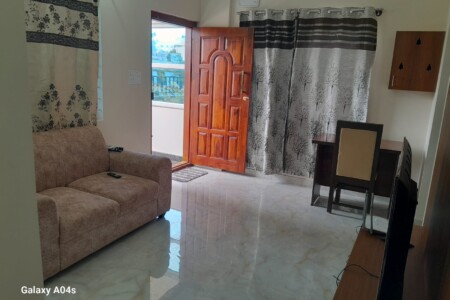
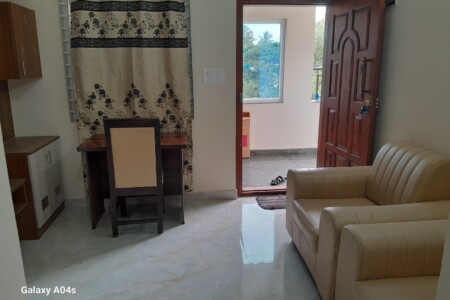
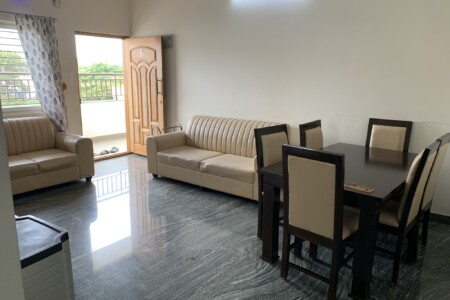
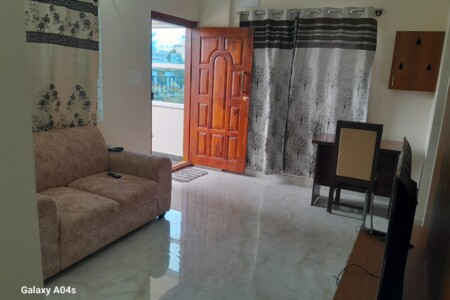
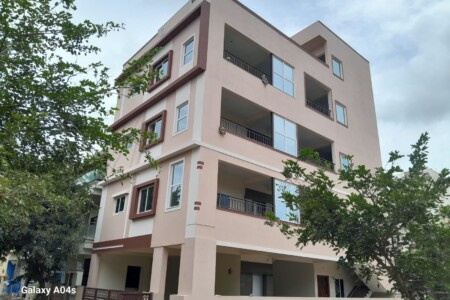
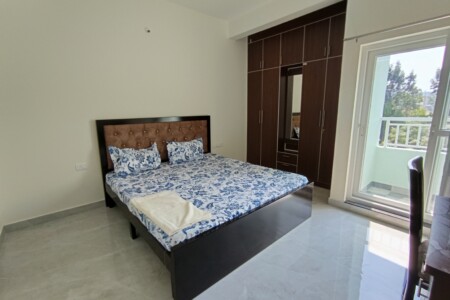
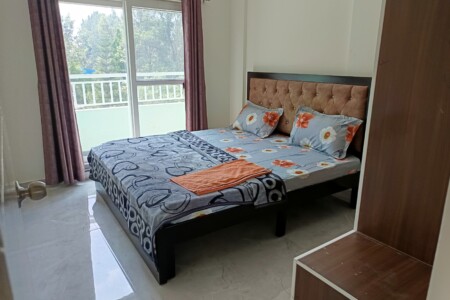
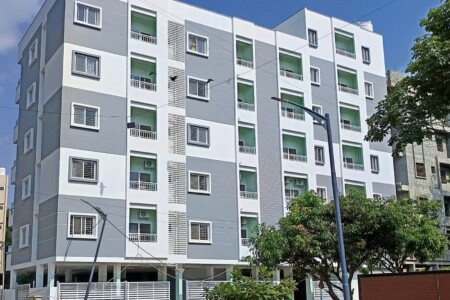
As a digital transformation consultant responsible for modernizing legacy systems, improving operational efficiency, and enabling technology adoption across organizations in Bangalore, my role is defined by one core challenge—changing how people work without disrupting how business runs. Whether I am assessing outdated workflows, designing automation strategies, or guiding enterprise-wide system migrations near Bommasandra Industrial Area, every engagement requires both strategic thinking and practical execution clarity. During one of my extended transformation projects, I stayed at Sagar Niwas, and it provided a stable environment that supported structured planning and uninterrupted problem-solving.
Digital transformation is not just about introducing new tools—it is about rebuilding processes, reshaping behavior, and ensuring adoption actually happens on the ground. Many initiatives fail not because of technology, but because of resistance, misalignment, or lack of clarity in execution. This requires constant coordination between leadership vision and operational reality, often under tight timelines.
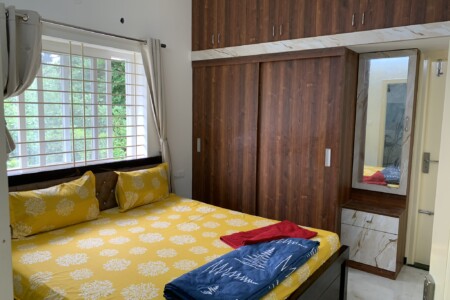
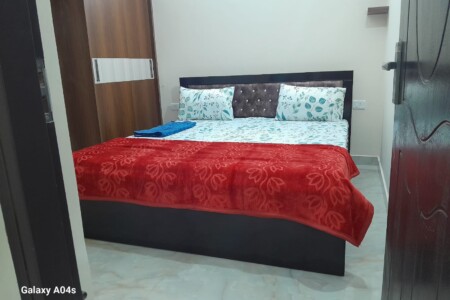
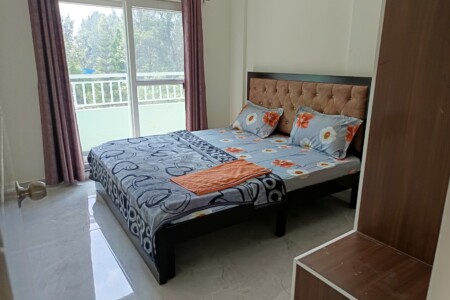
The first thing I experienced was the ability to step back and evaluate transformation roadmaps after long stakeholder alignment sessions. After discussions with leadership teams, IT departments, and business users, I needed a quiet environment to consolidate insights and refine implementation plans. The calm setting at Sagar Niwas supported that level of structured thinking without external distraction.
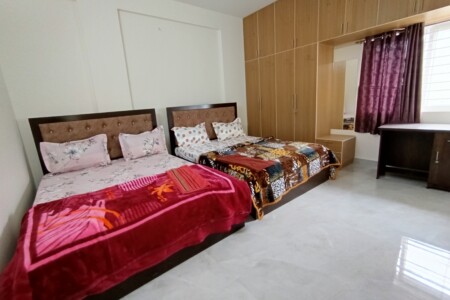
Another important factor was the space to manage detailed transformation documentation efficiently. Digital transformation work involves process maps, system integration diagrams, change management plans, and adoption frameworks. Having a structured and comfortable setup made it easier to maintain clarity across multiple workstreams.
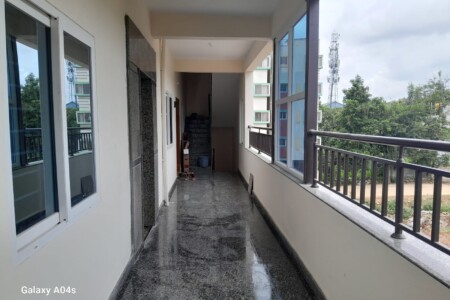
Location also played a practical role in execution speed. Being close to Bommasandra Industrial Area reduced travel time between client offices, operational facilities, and implementation sites. This improved responsiveness during workshops, training sessions, and system rollout phases.
The flexibility of working hours was essential. Transformation programs rarely follow fixed schedules—system migrations, user training, and rollout support often extend beyond standard hours. The independent setup at Sagar Niwas allowed uninterrupted focus during critical implementation phases.
Another key aspect is mental clarity during resistance and change challenges. Digital transformation often faces pushback from users accustomed to legacy systems. Having a calm environment helped me think through adoption strategies more logically and design smoother transition approaches.
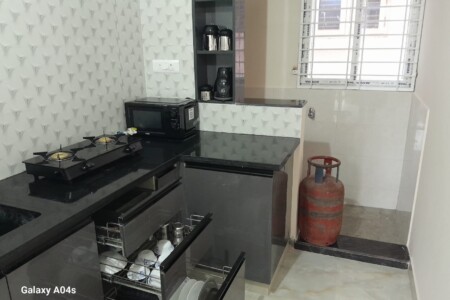
The availability of self-managed living arrangements also improved productivity. Being able to handle personal routines independently reduced distractions and allowed more time for designing workflows and solving implementation challenges.
From a professional standpoint, the environment also supported confidential handling of enterprise transformation strategies and system redesign plans. These projects often involve sensitive operational data and future-state business models. A private and controlled environment ensured secure handling of all transformation materials.
Another advantage was maintaining a consistent execution rhythm across multiple phases of transformation—discovery, design, development, rollout, and adoption. In transformation work, continuity is critical to avoid fragmentation. The stable environment at Sagar Niwas helped maintain that discipline across long project cycles.
Cost efficiency is also a practical factor, especially for extended consulting engagements requiring continuous on-site collaboration. Compared to hotels, service apartments offer a more sustainable and work-friendly environment for long-duration projects.
What stood out most was how the accommodation supported the entire transformation lifecycle—from process analysis and system design to implementation, training, and adoption tracking. It functioned as a reliable base during high-impact organizational change programs.
Over time, I’ve realized that successful digital transformation is not only about tools, platforms, or frameworks—it is also about environment. Clear thinking, structured execution, and change leadership depend heavily on mental stability.
Sagar Niwas provides that stability. It offers calmness, structure, and comfort—qualities that align perfectly with the demands of transformation consultants.
In conclusion, for professionals driving digital transformation in Bangalore—especially in industrial and enterprise-heavy zones like Bommasandra—choosing the right accommodation is essential for maintaining clarity, coordination, and execution success. Service apartments like Sagar Niwas provide the ideal environment to plan, execute, and sustain meaningful organizational change without disruption.
When your job is to change how organizations work, your environment should help you think with complete clarity.
As a healthcare operations professional responsible for managing hospital workflows, patient coordination, and system efficiency across care units in Bangalore, my role... Read More
Sustaining Growth Through People, Culture, and Leadership Alignment
As an HR Director responsible for shaping organizational culture, leading talent strategy, and aligning workforce planning across enterprises in Bangalore, my role... Read More
Keeping Data-Driven Decisions Honest, Fast, and Actionable
As a data analyst responsible for transforming raw data into meaningful insights across business functions in Bangalore, my role is defined by... Read More

 by
by 

Join The Discussion